

Lord of the Rings Throw Blankets Trend: 5 Film Secrets Ahead of the 2027 Movie
Every autumn, as golden sunlight surrenders to chilly October twilights, an unmistakable cultural awakening takes hold across the global entertainment community. Online discussion boards flood with nostalgic debates over Peter Jackson’s landmark…
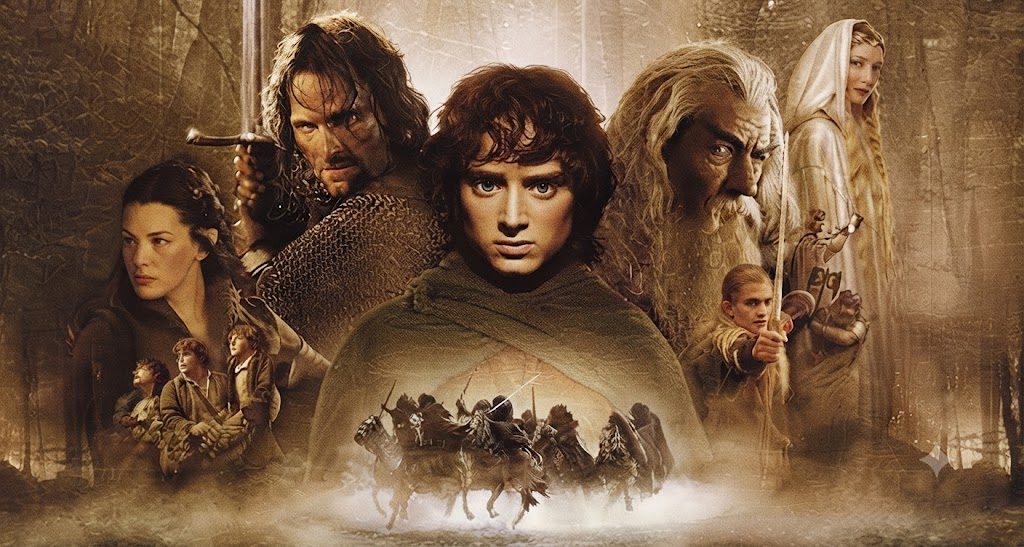
Every autumn, as golden sunlight surrenders to chilly October twilights, an unmistakable cultural awakening takes hold across the global entertainment community.
Online discussion boards flood with nostalgic debates over Peter Jackson’s landmark cinematic trilogy. While casual audiences reserve late October purely for conventional slashers and haunted house thrillers, devoted cinephiles recognize that Middle-earth holds the ultimate crown of atmospheric storytelling. From the terrifying screech of the hooded Ringwraiths to the towering obsidian gates of Mordor, the cinematic world of J.R.R. Tolkien remains deeply intertwined with the eerie spirit of the season.
This seasonal fascination has intensified to unprecedented levels following monumental studio confirmations from Warner Bros. Pictures and New Line Cinema regarding the upcoming theatrical feature, The Lord of the Rings: The Hunt for Gollum. As fans gear up for this long-awaited return to the silver screen, thousands are revisiting the extended editions at home, turning their living rooms into cozy screening sanctuaries draped in a mythological fandom throw blanket.
The surging interest in collectible Lord of the Rings blankets is not merely a shopping curiosity; it reflects how modern audiences consume epic art. Before stepping back into theaters for the upcoming chapter, exploring the dark cinematic secrets of the original trilogy reveals why this mythic universe continues to command our autumn evenings. Settling into your sofa with a warm autumn throw blanket marks the true beginning of this annual cinematic pilgrimage. For dedicated cinephiles, unwrapping a favorite cozy throw blanket sets the stage for an unforgettable Middle-earth journey.
“Even the smallest person can alter the course of the future. True cinema does not simply entertain the eyes; it wraps around your soul like an heirloom cozy throw blanket on a stormy autumn night.”
• The Middle-earth Film Retrospective •
1. The Middle-earth Cinema Awakening: “The Hunt for Gollum” and What Lies Ahead
The global fantasy landscape underwent a seismic shift when Warner Bros. Discovery officially greenlit an ambitious slate of new theatrical features exploring the untold margins of Tolkien’s appendices. Leading this renaissance is The Lord of the Rings: The Hunt for Gollum, officially scheduled for worldwide theatrical release on December 17, 2027.
While early studio announcements tentatively floated a 2026 target, Warner Bros. and New Line Cinema officially locked in December 17, 2027 as the definitive theatrical premiere. This expanded production timeline ensures the creative team has ample time for principal photography throughout 2026 and extensive visual effects engineering in Wellington, New Zealand. What electrifies fans most is the direct involvement of the original creative architects: master director Peter Jackson, alongside longtime writing partners Fran Walsh and Philippa Boyens, is actively producing the feature and guiding its script development. Behind the camera, visionary artist Andy Serkis will not only direct the production but also step back into his groundbreaking performance-capture role as Gollum.
The narrative timeline is rooted in a fascinating, rarely depicted window within Tolkien’s lore: the seventeen years unfolding between Bilbo Baggins’ 111th birthday farewell in the Shire and the Fellowship’s perilous descent into the Mines of Moria. During this desperate interval, the dark lord Sauron reclaims his strength in Mordor, torturing Gollum in the dungeons of Barad-dûr until the wretched creature breaks. Fearing the Enemy will discover the Ring’s whereabouts, Gandalf the Grey embarks on urgent historical research in the ancient archives of Minas Tirith, enlisting Aragorn—then known only as Strider, chieftain of the Dúnedain rangers—to track Gollum across the treacherous Dead Marshes and Rhovanion wilderness.
Andy Serkis and Peter Jackson have shared that the upcoming film will dive deep into this perilous manhunt, examining the psychological vulnerability of Gollum and the immense geopolitical stakes resting on Aragorn’s shoulders long before he accepted the crown of Gondor. Complementing this live-action project is the theatrical anime feature The War of the Rohirrim, directed by Kenji Kamiyama and chronicling the bloody defense of Helm’s Deep under King Helm Hammerhand. Together, these productions confirm that Middle-earth is reclaiming its dominance on the big screen. In anticipation of the 2027 premiere, audiences are rediscovering the original trilogy under an autumn throw blanket, seeking to understand the filmmaking magic that made the original masterpieces timeless. Reclining under a soft movie throw blanket while taking in these expansive landscapes connects viewers directly with the story’s emotional heart.
2. Five Dark Film Secrets That Shape Middle-earth’s Halloween Legacy
While high fantasy often leans into fairy-tale splendor, Peter Jackson’s background in practical horror cinema infused the trilogy with genuine, spine-chilling grit. Revisiting these five darker production dimensions reveals why the films feel so electrifying during spooky season.
1. Andy Serkis and the Dual Psychology of Creature Performance
Before Andy Serkis donned a motion-capture suit in the late nineties, digital characters in Hollywood were largely hollow visual gimmicks. Serkis transformed the medium by approaching Gollum not as a monster, but as an addict suffering from severe psychological dissociation. Serkis famously based Gollum’s physical mannerisms and vocal spasms on real-world withdrawal tremors, while the iconic coughing choke that gave the creature his name was inspired by his cat coughing up a hairball.
Jackson originally hired Serkis merely for voiceover work, but was so mesmerized by the physical intensity of his performance during live rehearsals that he ordered Weta Digital to completely rebuild their digital pipelines. The iconic scene in The Two Towers where Sméagol argues with his malevolent alter-ego beside the moonlit pool was shot with zero camera movement, relying entirely on rapid shifts in vocal posture and pupil dilation. That psychological horror—watching a tortured soul lose its humanity to obsession—sets the foundation for the upcoming 2027 film. Experiencing this intense psychological struggle under a plush fandom throw blanket heightens the eerie intimacy of the scene.
2. The Uncanny Menace of the Nine Nazgûl
Few cinematic villains rival the terrifying presence of the Nazgûl. Jackson achieved their haunting demeanor by filming their movements using overcranked cameras at forty-eight frames per second, then playing the footage back at normal speed to create a stuttering, otherworldly glide.
When the Black Riders stalk the Hobbits along the rain-slicked road outside Hobbiton, the terror is purely atmospheric: rotting leather robes, heavy iron spurs dragging through mud, and piercing wails created by co-screenwriter Fran Walsh, who recorded shrieking vocalizations while suffering from severe laryngitis, later blended with horse squeals and plastic cups scraped across microphones. The sequence at Weathertop, where Frodo slips on the Ring and perceives the Ringwraiths in their spectral Twilight World as pale, hollow monarchs, remains one of the most chilling haunted moments in modern cinema. Cuddling under a protective cozy throw blanket during these fog-shrouded pursuits keeps the autumn chills at bay.
3. The Phosphorescent Horror of Minas Morgul
The visual design of the Witch-king’s fortress, Minas Morgul, stands as a triumph of practical miniature engineering. Known on set as a Big-ature, the towering model was coated in phosphorescent radioactive-green paint that absorbed studio ultraviolet lights, creating a toxic, sickening glow that seemed to corrupt the very celluloid it was filmed on. The sickly emerald radiance contrasts violently with the suffocating soot and volcanic crimson of Mount Doom, establishing an environment so visually hostile that it feels toxic to breathe. Draping a themed Lord of the Rings throw blanket over your sofa evokes this moody contrast between darkness and sanctuary.
4. Howard Shore’s Choral Black Speech Movements
Academy Award-winning composer Howard Shore brought operatic dread to the screen by commanding massed male choirs singing in Tolkien’s constructed Black Speech. The aggressive, percussive chants accompanying the forging of the Ring and the marching legions of Isengard—composed in an unsettling, irregular 5/4 time signature—provide an acoustic weight that shakes your chest during a late-night screening. Shore contrasted this brute percussion with the eerie, serpentine Celtic strings of the History of the Ring theme, reinforcing that the Ring is an active, malevolent consciousness whispering into the minds of mortal men. Listening to these thunderous orchestral movements while resting under an artisanal movie theater throw blanket creates an unforgettable auditory journey.
5. The Shadow of the Paths of the Dead and Shelob’s Lair
In The Return of the King, Aragorn’s descent into the Dwimorberg mountains to summon the Oathbreakers showcases Jackson’s mastery of Gothic dread. Skulls carpeting the stone cavern floors, ethereal phantom mists, and crumbling subterranean crypts transform the fantasy quest into a harrowing supernatural trial that rivals any classic Halloween cinema experience. Equally harrowing is Shelob’s lair in Cirith Ungol, where Jackson channeled his lifelong arachnophobia to turn the cavern into a suffocating labyrinth of sticky, calcified webs, decaying carcasses, and blind subterranean panic. Nestled beneath a thick fandom throw blanket, viewers experience every claustrophobic twist of Frodo’s desperate escape with palpable intensity.
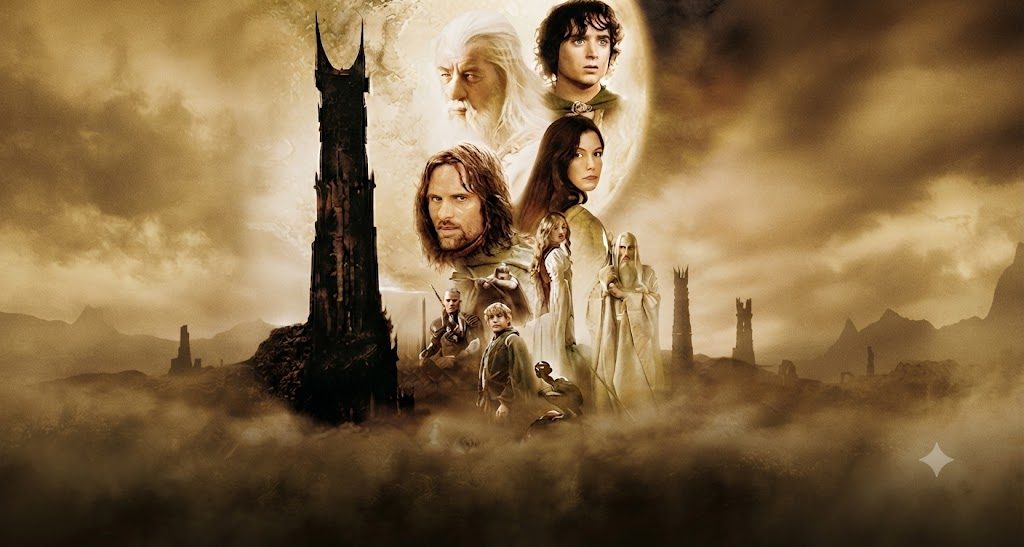
Theatrical release poster for The Lord of the Rings: The Two Towers (2002). (Source: Wikipedia)
3. The Lost Art of Practical Filmmaking Before CGI Domination
One of the primary reasons modern blockbusters fail to evoke the same emotional longevity as the original Lord of the Rings trilogy is Hollywood’s over-reliance on digital green screens. Peter Jackson’s production was anchored in physical New Zealand earth, real mud, and authentic chainmail.
The artisans at Weta Workshop, overseen by Richard Taylor, hand-tied over 12.5 million individual PVC chainmail links to clothe the armies of Rohan and Gondor. Blacksmiths forged thousands of functional steel swords, while sculptors hand-carved miniature cities like Helm’s Deep, Minas Tirith, and Osgiliath out of polystyrene and high-density foam. Actors spent up to four hours every morning in the makeup chair having prosthetic feet and ears individually glued and blended to their skin.
Furthermore, Jackson relied on ingenious practical optical illusions rather than digital resizing. To depict the towering height of Ian McKellen’s Gandalf next to the diminutive Hobbits, the production constructed oversized props, forced-perspective sets with sloping floors, and split tables where actors sat at different distances from the camera while moving in lockstep. When you watch the torrential rain batter the sandstone fortress in The Two Towers, you are watching real water drenching real steel armor under practical studio floodlights. That tactile, handcrafted weight is something digital pixels can never recreate, explaining why settling into your sofa under a plush movie throw blanket to rewatch these films feels like admiring museum-grade human art. Appreciating this physical craftsmanship from beneath a durable autumn throw blanket provides the ultimate feeling of cozy contentment.
4. Philosophical Resonance: Finding Light Within the Autumn Darkness
At its core, Tolkien’s narrative endures because it addresses the universal human confrontation with despair. As the days shorten in autumn, our minds naturally turn reflective, contemplating the passage of time and the heavy burdens we carry. The One Ring serves as an allegory for the corrupting nature of absolute power and the spiritual erosion of unchecked ambition.
No cinematic moment captures this truth better than Samwise Gamgee’s speech in the ruins of Osgiliath. When Frodo despairs that the darkness is simply too overwhelming, Sam reminds him—and all of us—that even the deepest shadow is only a passing thing. There is light and high beauty forever beyond its reach, and that there is some good in this world worth fighting for. That emotional vulnerability transforms an epic fantasy war into an intimate human meditation on hope and endurance. Curling up beneath a warm Lord of the Rings throw blanket as Sam delivers these words brings an undeniable sense of emotional peace.
Equally important is the eternal memory of the Shire. In the face of catastrophic global war, what saves Middle-earth is not mighty wizards or kings with giant armies, but two simple Hobbits who yearn for simple meals, warm garden soil, and quiet laughter by the fireplace. Yet Tolkien does not deliver a naive happy ending; when Frodo returns to Bag End, his physical and spiritual wounds prevent him from finding peace in the mortal world, leading to his poignant departure from the Grey Havens. That bittersweet melancholy makes the trilogy resonate so deeply with autumn—the season of harvest, twilight, and graceful letting go. Wrapping yourself in an authentic movie throw blanket connects you to this profound philosophical balance between triumph and sorrow.
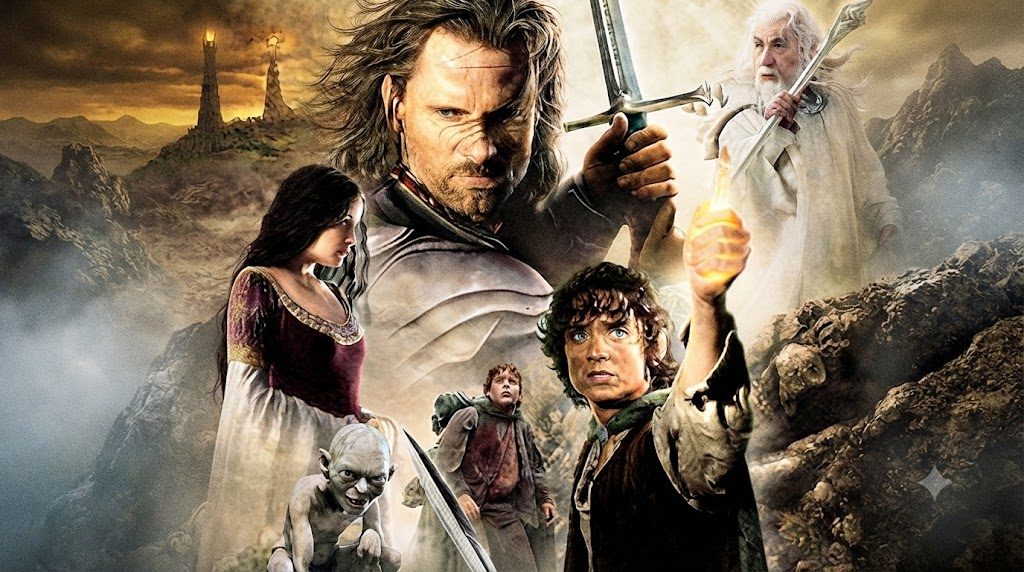
The Lord of the Rings: The Return of the King (2003). (Source: Wikipedia)
5. The Screening Sanctuary: Curating Your Middle-earth Movie Nook
Watching nearly twelve hours of the extended editions is an intentional lifestyle ritual. Across modern homes, fans prepare their viewing sanctuaries with subtle care: lighting amber beeswax candles, brewing spiced cider, and draping an authentic Lord of the Rings throw blanket across the couch to ward off chilly October drafts.
A dedicated movie theater throw blanket provides the breathable physical warmth needed for lengthy winter screenings, while subtle fandom artwork celebrating the Map of Middle-earth or the White Tree of Gondor adds a touch of classic mythology to living room decor without cluttering the space. Every seasoned film lover knows that a plush cozy throw blanket transforms an exhausting marathon into an indulgent evening of self-care. Bringing an exquisite custom throw blanket into your living area bridges the gap between everyday life and cinematic legend. For kindred spirits, gifting an artisanal fandom throw blanket before the holidays offers a heartfelt reminder of shared stories and enduring friendship.
Middle-earth Keepsakes: Soulmase Signature Throws
Artisanal throws crafted for chilly autumn movie marathons.
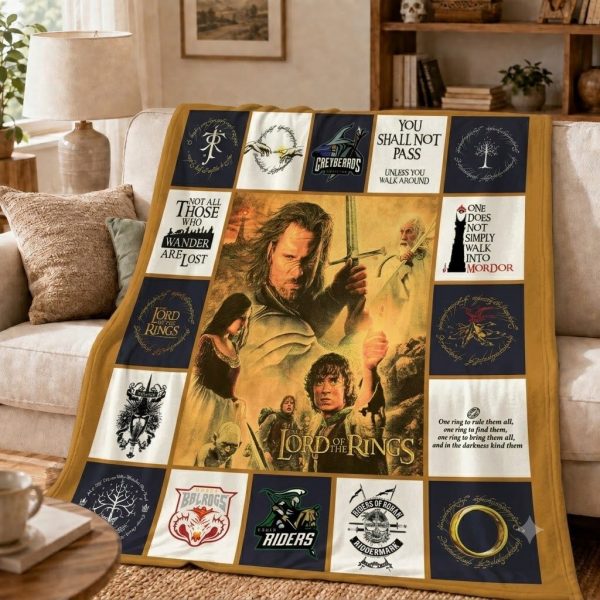
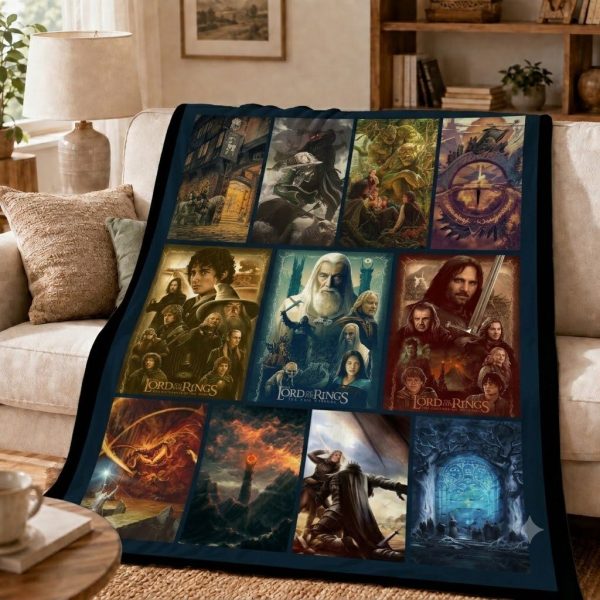 The Lord of the Rings Epic Fantasy Movie Art Throw BlanketCloud-Soft Microfleece • Epic Art Edition |
 |
Frequently Asked Questions
When will The Lord of the Rings: The Hunt for Gollum be released in theaters?
Warner Bros. Pictures has officially scheduled The Lord of the Rings: The Hunt for Gollum for theatrical release on December 17, 2027. While early development discussions in early 2024 initially explored a 2026 target, the studio and Peter Jackson finalized the December 2027 premiere to allow extensive production across 2026 in New Zealand.
Where does The Hunt for Gollum fit within the Middle-earth film timeline?
The film is set during the seventeen-year period between Bilbo Baggins’ departure from the Shire and the Fellowship’s journey through Moria, exploring Gandalf and Aragorn’s covert search for Gollum across the wilderness. This untold storyline bridges the narrative gap between The Hobbit and The Lord of the Rings, uncovering events hinted at in Tolkien’s appendices. Fans eagerly anticipate following this journey from the comfort of home while wrapped in a favorite Lord of the Rings throw blanket.
Will original cast members like Ian McKellen or Viggo Mortensen return for the new film?
Both Sir Ian McKellen (Gandalf) and Viggo Mortensen (Aragorn) have publicly confirmed their enthusiastic interest in reprising their iconic roles, provided the scripts honor Tolkien’s original lore and their characters’ natural timeline ages. Andy Serkis has expressed that reuniting original cast members will remain a creative priority for the production team as principal photography ramps up.
Why is The Lord of the Rings trilogy considered a staple for autumn and Halloween screenings?
The trilogy features profound gothic and horror elements—from the terrifying Ringwraiths in fog-drenched autumn woods to Shelob’s lair and the Paths of the Dead—blended with the comforting hearth warmth of Hobbiton, creating the definitive October-through-December marathon experience. Wrapping up in a soft movie theater throw blanket while experiencing these contrasting worlds makes it the ultimate autumn tradition.
Wrap Yourself in What You Love
Life is too short to live in spaces that do not speak to your soul. Your home should be your sanctuary—a safe harbor filled with the stories and art that bring you comfort.
MIA
Mia turns abstract pop culture passions into tangible, touchable home comforts. Specializing in anime, movie, book, and music fandoms, she helps fans transform their spaces into cozy cinematic sanctuaries—living out the Soulmase mission to “Wrap Your Soul in the Stories You Love".
Related Reads
 September 25, 2026 · 7 min read
Movie Blanket Guide: Cozy Picks for Movie Nights & Gifts
 September 7, 2026 · 11 min read
5 Best Christmas Movies for Cozy Xmas Throw Blankets (Part 2)
 September 7, 2026 · 12 min read