

10 Best Halloween Films to Watch Under a Horror Movie Throw Blanket( Part 1)
When the golden daylight of late September surrenders to the chilly shadows of October, an unmistakable cultural shift sweeps through households across the globe. Autumn is universally recognized as the season of…
When the golden daylight of late September surrenders to the chilly shadows of October, an unmistakable cultural shift sweeps through households across the globe.
Autumn is universally recognized as the season of transition: dry leaves skitter across cooling pavement, harvest decorations emerge on front porches, and darkness settles earlier over neighborhood rooftops. Along with this atmospheric change comes an irresistible human urge to seek out controlled thrills. For generations of cinephiles, late October is defined by a cherished seasonal ritual: shutting off overhead lights, lighting amber-scented candles, and queuing up an extended marathon of classic horror films.
There is an intriguing psychological phenomenon at the heart of this annual habit known as recreational fear. Cognitive scientists observe that experiencing suspense within the home triggers a potent release of adrenaline, dopamine, and endorphins without genuine peril, followed by immense relief and satisfaction. When watching a masked killer stalk an unsuspecting victim or witnessing a haunted house unravel on screen, viewers experience heightened cardiovascular excitement within an entirely protected domestic environment.
Crucial to this experience is an ancient domestic ritual familiar to anyone who loves scary stories: the blanket defense. When the ominous orchestral strings build toward an inevitable jump scare, our instinctive reflex is to pull a protective fabric layer over our chins or shield our faces with the hem of a soft horror movie blanket. It is a comforting physical boundary that reassures our nervous system that the monsters on screen cannot reach us. Unwrapping a plush cozy throw blanket creates the ultimate psychological safety barrier for surviving the night. Preparing your couch with an authentic horror movie blanket sets the stage for an immersive late-night screening.
“We make up horrors to help us cope with the real ones. There is no greater seasonal luxury than being terrified by cinematic genius while wrapped in absolute warmth.”
— Stephen King • On the Craft of Fear
01 • Slasher Pioneer
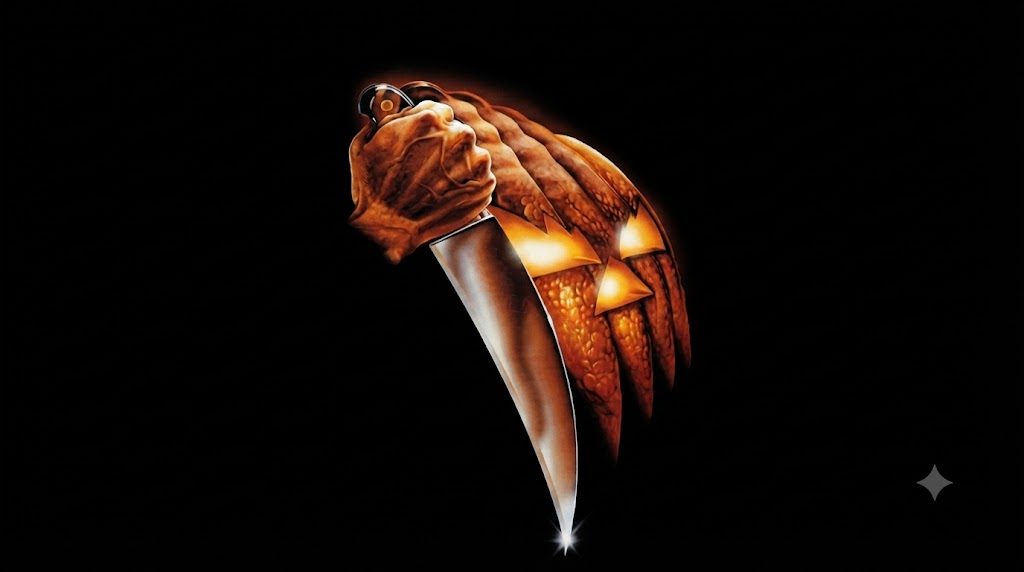
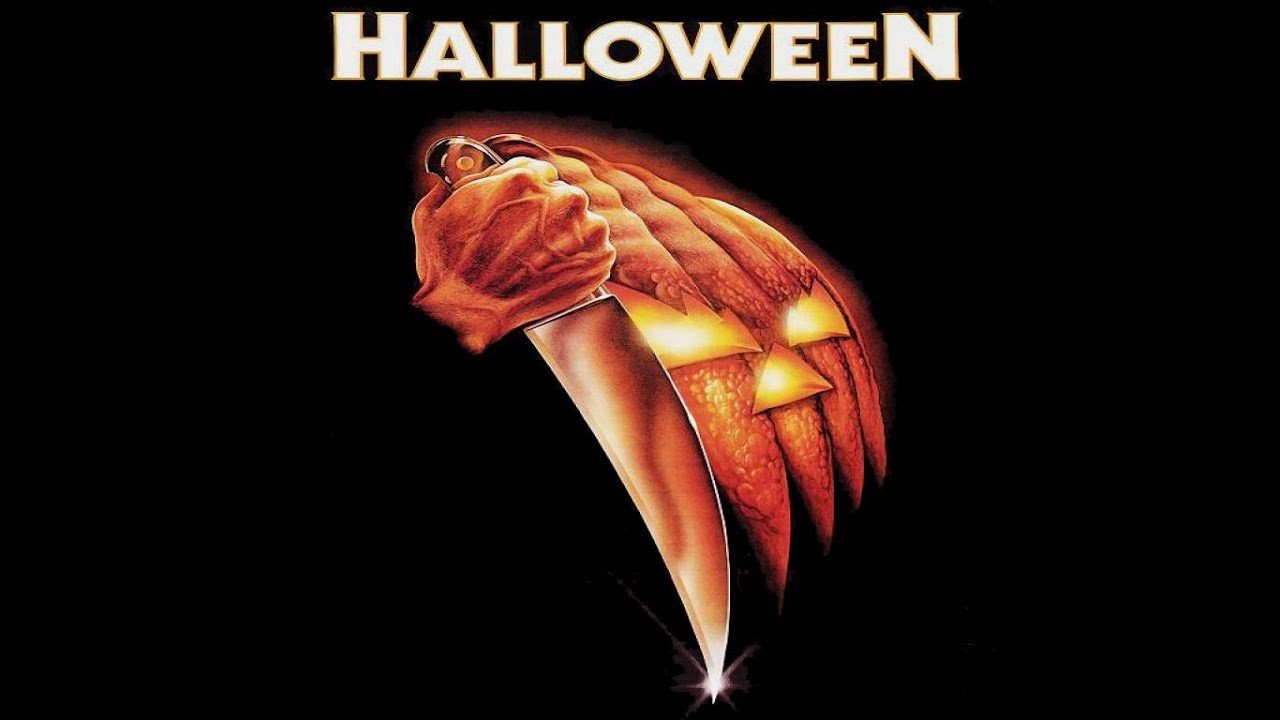
Halloween (1978) — Directed by John Carpenter
Few horror titles evoke the crisp air and brooding isolation of late October quite like John Carpenter‘s independent triumph, Halloween. Produced on a modest budget, the film bypassed sensational gore, relying on pure directorial discipline and suburban dread.
The story introduces Haddonfield, Illinois, where innocence is shattered by the return of Michael Myers, an escaped patient who murdered his sister fifteen years prior. Stalking teenage babysitter Laurie Strode, played by Jamie Lee Curtis in a star-making debut, Myers moves silently through Midwestern streets, hiding behind drying laundry and manicured hedges.
Carpenter’s revolutionary Panaglide tracking shots force the viewer to inhabit the killer’s cold, voyeuristic gaze. Coupled with his minimalist piano score in an unsettling 5/4 time signature, every shadow behind a doorway becomes perilous. Curling beneath a warm horror movie throw blanket while watching Michael Myers stand motionless under a distant streetlamp captures the quintessential essence of late-night cinema. Resting under an authentic horror movie blanket keeps the autumn chill from breaking your concentration.
02 • Psychological Terror
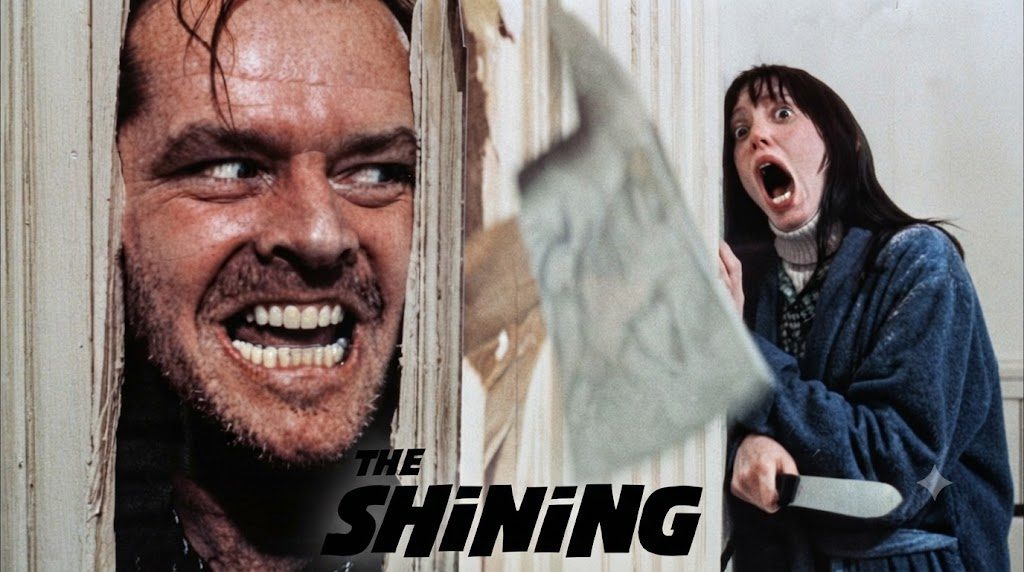
The Shining (1980) — Directed by Stanley Kubrick
Adapted from Stephen King’s novel, Stanley Kubrick’s The Shining stands as one of the most meticulously crafted and psychologically suffocating horror films ever committed to celluloid. Moving away from gothic clichés, Kubrick set his nightmare within the cavernous, brightly lit halls of the Overlook Hotel.
The story follows aspiring writer Jack Torrance, played with ferocious intensity by Jack Nicholson, who accepts a winter caretaking job alongside his wife Wendy and psychically gifted son Danny. As blizzards bury the resort beneath towering snowdrifts, the sinister supernatural history of the Overlook begins systematically dismantling Jack’s fragile sanity.
Kubrick’s visual mastery is evident in every hypnotic frame. Using the newly invented Steadicam, operator Garrett Brown tracked Danny’s tricycle at wheel-height across geometric carpets, creating an ominous acoustic contrast echoing through empty ballrooms. Watching Jack’s descent into madness while wrapped securely beneath a plush movie throw blanket provides grounded comfort against the film’s chilling isolation. Pulling a soft cozy throw blanket around your shoulders makes the Overlook feel wonderfully distant.
03 • Corrupted Childhood
Child’s Play (1988) — Directed by Tom Holland
Directed by Tom Holland and conceived by Don Mancini, Child’s Play offered a subversive critique of late-eighties consumerism while introducing audiences to an enduring horror icon: Chucky. The film taps into an innate childhood anxiety that our toys might possess a sinister life after dark.
The plot begins in Chicago, where serial killer Charles Lee Ray transfers his soul into a Good Guy doll before dying. Purchased by a widowed mother for her lonely six-year-old son Andy, the doll soon commits a string of horrific murders that the innocent boy is blamed for.
The production was a triumph of practical creature effects. Animatronics wizard Kevin Yagher designed mechanical puppets operated by up to twenty puppeteers to achieve expressive facial sneers. Combined with Brad Dourif’s vicious vocal performance, Chucky possessed a terrifying physical weight. Settling down for a late-night screening with an authentic chucky blanket or a cozy fandom throw blanket allows fans to revisit this nostalgic classic without fear of little footsteps on the floor. Draping a themed horror movie throw blanket across the sofa ensures you are well-defended during every sudden leap.
04 • Campfire Nightmare
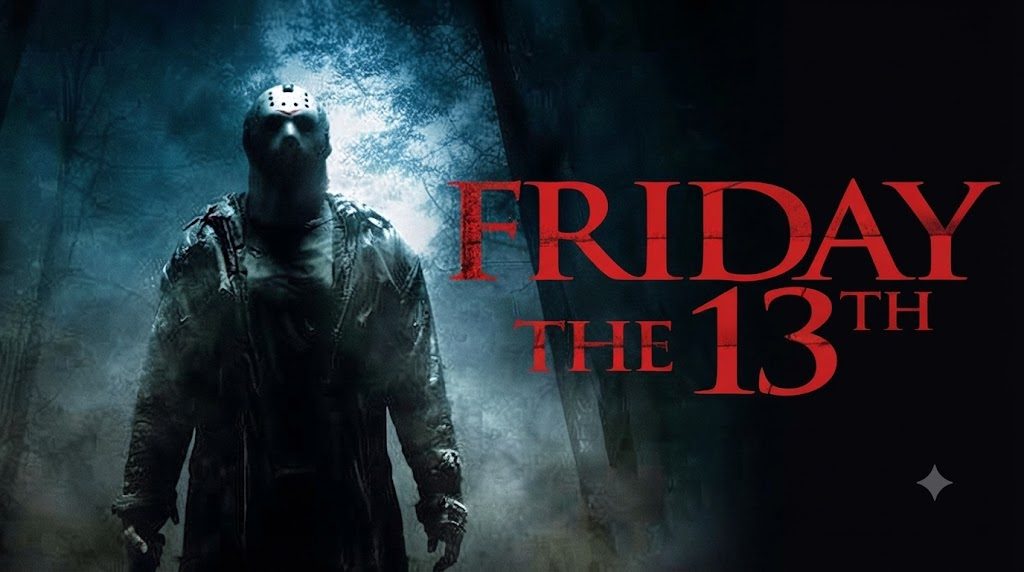
Friday the 13th (1980) — Directed by Sean S. Cunningham
Following the commercial triumph of independent horror in the late seventies, producer and director Sean S. Cunningham constructed an unapologetic roller-coaster slasher set against the rustic American wilderness. Friday the 13th established the foundational campfire mythos for an enduring slasher franchise.
The narrative unfolds at Camp Crystal Lake, an abandoned summer camp shuttered for decades following mysterious drownings and murders. When teenage counselors arrive to renovate the cabins, a relentless hidden assailant stalks them through thunderstorm-lashed woodlands, eliminating them one by one.
What transformed the picture into a cultural sensation was the legendary practical gore wizardry of Tom Savini, alongside Harry Manfredini’s brilliant whispered score echoing like phantom breath through the pines. Rather than relying on supernatural monsters, the original installment drew power from a tragic mystery of parental grief turned murderous. Rewatching the counselors navigate the rain-soaked cabins while huddled under a thick friday the 13th blanket or a warm movie theater throw blanket remains one of autumn’s most satisfying campfire rituals. Wrapping yourself in an autumn throw blanket keeps the misty lakeside chill outdoors.
05 • Sci-Fi Claustrophobia
Alien (1979) — Directed by Ridley Scott
Directed by Ridley Scott, Alien represents a historic collision between high-concept science fiction and visceral haunted-house horror. Billed under the tagline ‘In space no one can hear you scream,’ the film dragged the monster formula aboard a grimy freighter, proving advanced technology offers zero defense against primordial terrors.
The narrative follows the blue-collar crew of the commercial vessel USCSS Nostromo. Awakened from cryogenic hyper-sleep to investigate an acoustic distress transmission on a desolate moon, the crew discovers a derelict extraterrestrial vessel containing thousands of leathery eggs. When a parasitic organism latches onto officer Kane, the crew unwittingly brings an apex extraterrestrial predator aboard their pressurized corridors.
The visual brilliance rests on the biomechanical nightmare aesthetic created by Swiss surrealist H.R. Giger. Scott paced the film deliberately, treating the spaceship as a dripping, rusted submarine filled with suffocating ventilation shafts. Anchoring this nightmare is Sigourney Weaver’s breakthrough performance as Ellen Ripley. Experiencing the slow-burning dread of the Nostromo from beneath a soft autumn throw blanket allows film lovers to marvel at one of cinema’s finest exercises in atmospheric tension. Nestling under a protective movie throw blanket softens the shock of the creature’s sudden strikes.

06 • Nocturnal Paranoia
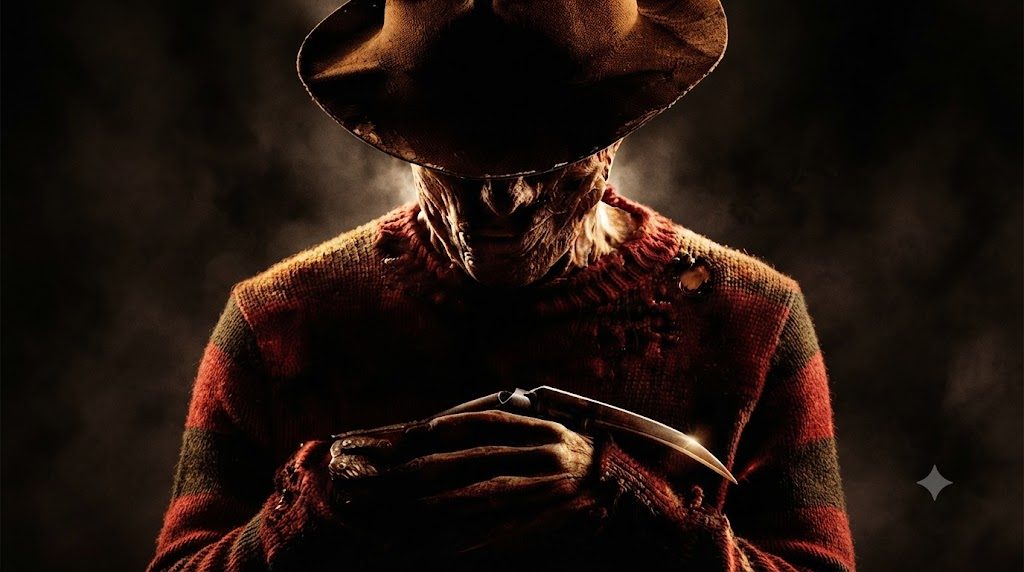
A Nightmare on Elm Street (1984) — Directed by Wes Craven
Wes Craven redefined horror in 1984 with A Nightmare on Elm Street, a psychological concept born from medical accounts of refugees suffering fatal nocturnal seizures. By locating the monster inside the dreamscape, Craven created a terror from which escape was impossible.
The story centers on teenager Nancy Thompson and her friends, who discover they are pursued by the same entity in their nightmares. The creature is Freddy Krueger, portrayed with razor-sharp charisma by Robert Englund, a burned child murderer seeking vengeance against the vigilante parents who executed him years ago.
Craven’s genius lay in blending practical surrealism with body horror, from rotating soundstage rooms to latex walls that stretched beneath Freddy’s claws. For late-night viewers attempting to stay awake through a Halloween marathon, wrapping up beneath a protective cozy throw blanket provides a comforting physical barrier against nocturnal terrors. An extra layer from a soft fandom throw blanket ensures you remain relaxed even when the boiler room furnace blazes on screen.
07 • Meta-Slasher Renaissance
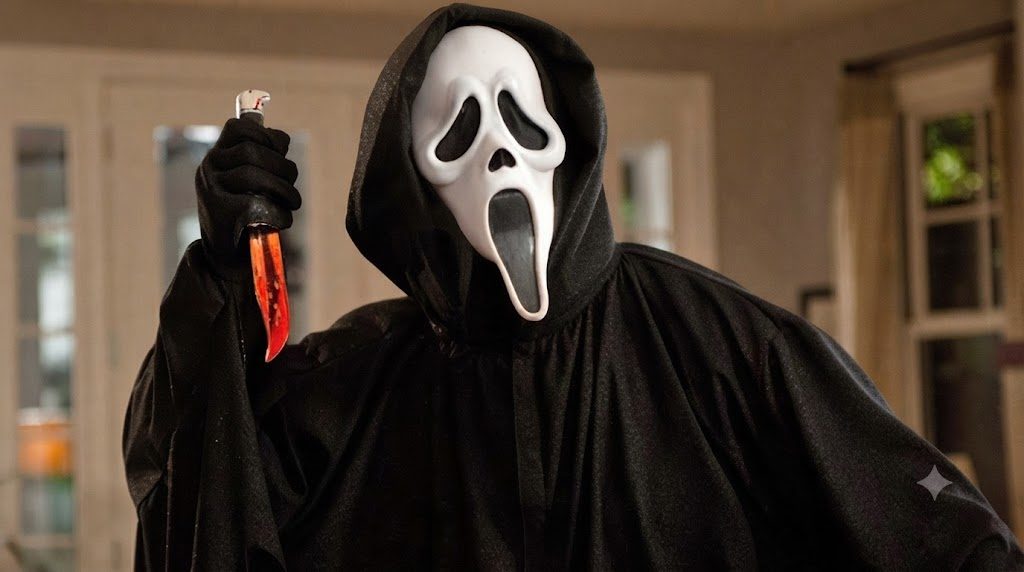
Scream (1996) — Directed by Wes Craven
By the mid-1990s, the slasher subgenre had grown stale. Director Wes Craven and screenwriter Kevin Williamson revitalized the landscape with Scream, a self-aware mystery that celebrated slasher history while subverting established clichés.
The plot begins in Woodsboro, where student Casey Becker receives a chilling phone call about scary movies before being murdered with her boyfriend. The masked serial killer, dubbed Ghostface, soon turns his lethal attention toward high school student Sidney Prescott, played by Neve Campbell.
What made the film a cultural phenomenon was its post-modern wit. The characters have grown up watching horror films and openly debate the survival rules required to outlast a killer. Ghostface himself is not an invincible demon, but a clumsy human who trips over furniture. Balancing genuine suspense with dark humor, settling in with friends under an expansive fandom throw blanket to guess the killer’s identity remains an essential autumn tradition. Sharing a comfortable movie theater throw blanket makes analyzing the whodunit clues a delightful group activity.
08 • Theological Shock
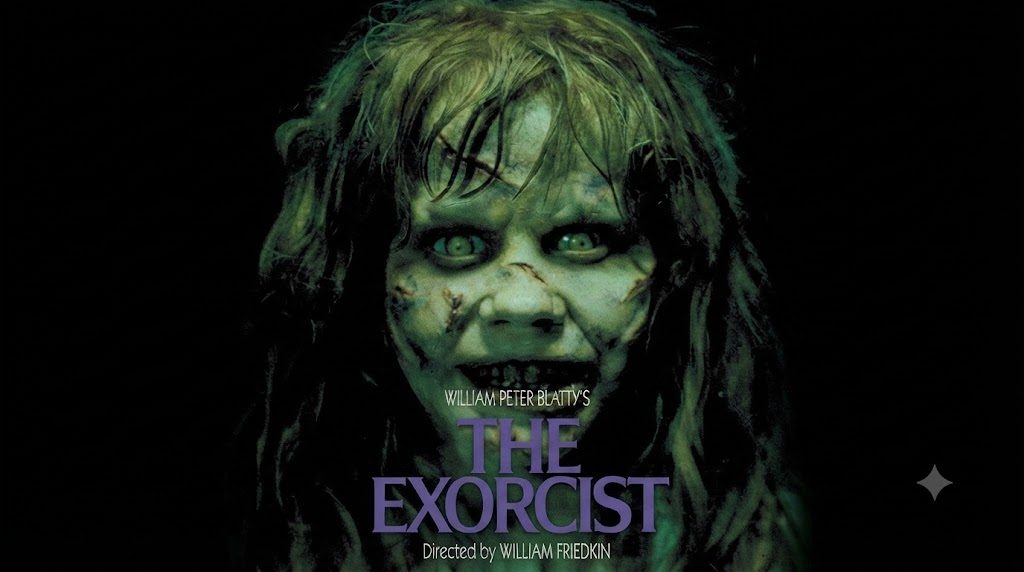
The Exorcist (1973) — Directed by William Friedkin
Directed by William Friedkin, The Exorcist is widely recognized as one of the most culturally impactful and disturbing motion pictures in cinema history. The film treated its supernatural premise with medical and theological seriousness, creating a grounded documentary realism that left original theatrical audiences fainting in cinema aisles.
The narrative focuses on twelve-year-old Regan MacNeil, played brilliantly by Linda Blair in Georgetown, Washington, D.C. When Regan begins exhibiting erratic behavior, unnatural strength, and blasphemous outbursts, her frantic mother exhausts conventional clinics before turning to Jesuit priest Father Damien Karras to authorize an ancient ritual of Roman Catholic exorcism.
Friedkin’s dedication to realism was ruthless. The bedroom set was constructed inside an industrial refrigerated container chilled to sub-zero temperatures so that the actors’ breath hung like smoke in the air. Watching Father Merrin and Father Karras battle demonic despair while huddled securely under a heavy movie throw blanket provides an indispensable sense of warmth against the cold dread permeating the film’s climax. Resting beneath a protective horror movie blanket shields your senses as the confrontation reaches its peak.
09 • Modern Haunted Estate
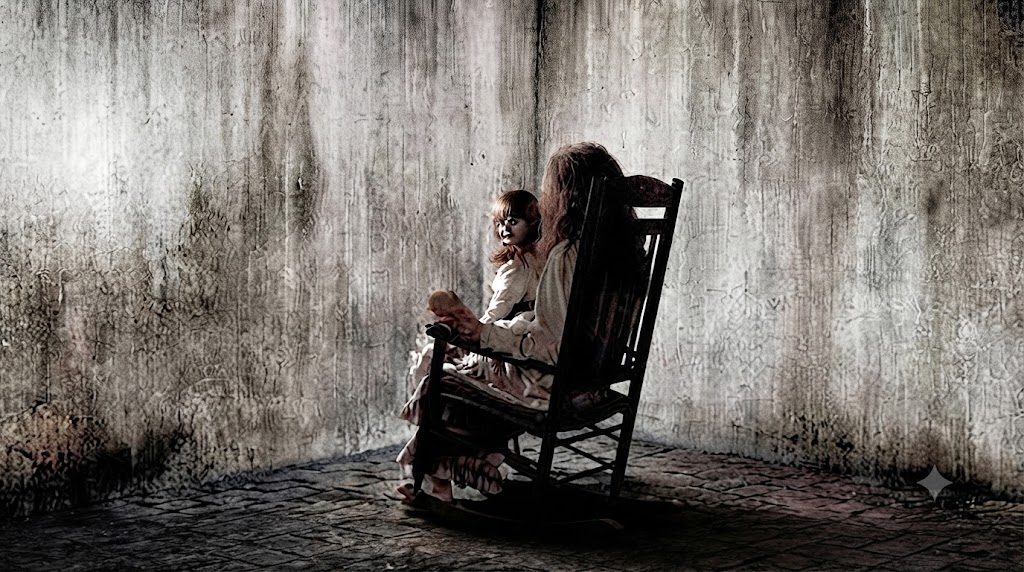
The Conjuring (2013) — Directed by James Wan
In 2013, director James Wan demonstrated that classical haunted house horror could feel breathtakingly fresh through meticulous camera choreography. The Conjuring embraced seventies-style cinematic craftsmanship, relying on organic lighting and patient atmospheric dread.
Based on the case files of researchers Ed and Lorraine Warren, the film recounts the haunting of the Perron family in their remote Rhode Island farmhouse. Soon after moving in with their five daughters, the family experiences inexplicable odors, icy temperature drops, and malevolent nocturnal manifestations.
Wan’s technical prowess shines in his unbroken Steadicam tracking shots that tour the house, allowing audiences to build a mental map of every doorway and staircase. The simple game of blindfolded hide-and-seek known as ‘clap-clap,’ culminating in hands clapping out of the pitch-black basement doorway, proved anticipation is far more terrifying than digital monsters. Watching the Warrens investigate the dark corridors while curled up beneath a soft movie theater throw blanket creates an atmospheric autumn screening experience. Tucking in with an authentic horror movie blanket makes the suspense deeply enjoyable.
10 • Gothic Whimsy
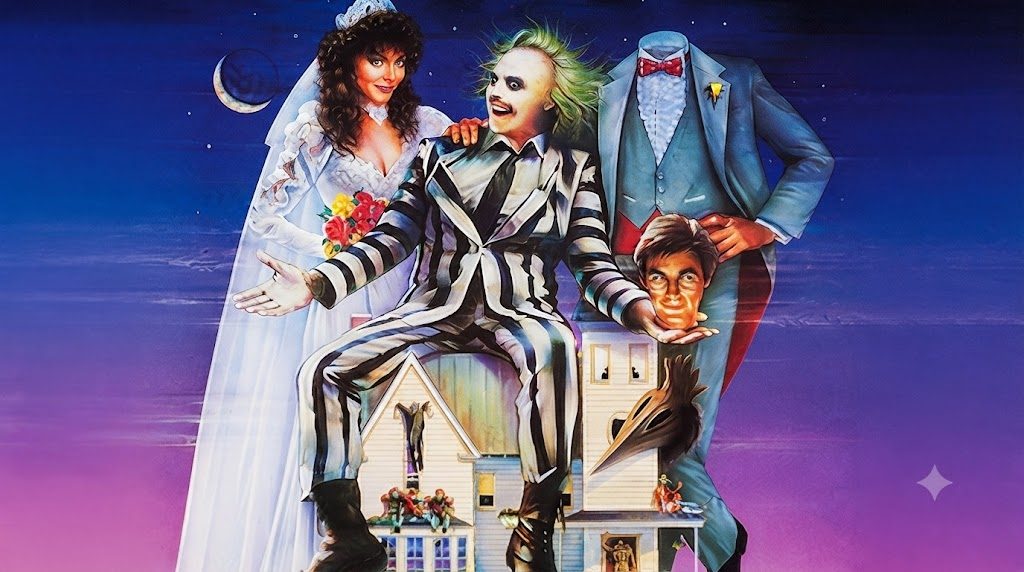
Beetlejuice (1988) — Directed by Tim Burton
For viewers desiring Halloween’s eerie aesthetic without enduring trauma, Tim Burton’s 1988 dark comedy classic Beetlejuice offers the ultimate cinematic treat. Blending German Expressionist design, stop-motion animation, and slapstick comedy, the film created a whimsical gothic playground.
The narrative introduces a charming young married couple, Adam and Barbara Maitland, played by Alec Baldwin and Geena Davis, who die in an automobile accident outside their New England home. Trapped as ghosts within their house, they find their afterlife disrupted when an obnoxious art couple and their alienated goth daughter Lydia, played by Winona Ryder, move in. Desperate to scare the invaders away, the Maitlands hire a freelance bio-exorcist named Betelgeuse, brought to manic life by Michael Keaton.
Burton utilized forced-perspective sets, rubber monster makeup, and jaunty Calypso musical numbers like Harry Belafonte’s ‘Day-O’ to create an underworld that felt hilariously strange. Serving as the ideal palate cleanser in a weekend marathon, the film proves that spooky season can be joyful, stylish, and immensely fun. Lounging on the sofa beneath an authentic beetlejuice blanket or an artistic fandom throw blanket allows friends and family to celebrate the playful side of the afterlife together. A cozy autumn throw blanket completes the whimsical screening experience with effortless warmth.
Closing Reflection
When the Lights Turn Back On: The Healing Power of Autumn Cinema
When the end credits roll and the room lights are finally switched back on, an unmistakable sensation of calm washes over the living room.
This emotional transition is the true magic of spending an autumn evening with classic horror cinema. Navigating intense suspense from the absolute safety of your living room allows your mind to release accumulated stress, offering a cathartic reset that few other mediums can provide. Once the screen goes dark, you realize that the shadows in the corner are harmless, the floorboards are quiet, and the world outside is peaceful.
Whether you choose the deliberate psychological terror of Stanley Kubrick’s Overlook Hotel, the adrenaline-fueled suspense of John Carpenter’s Haddonfield, or the nostalgic fun of Tim Burton’s Netherworld, these ten cinematic landmarks continue to define the cultural spirit of late October. Gathering your favorite autumn snacks, lighting a warm amber candle, and wrapping yourself securely under a plush horror movie throw blanket turns an ordinary evening into an unforgettable holiday celebration. Finding peace under a reassuring movie throw blanket reminds us that the best stories are the ones that bring us safely home.
Curate Your Autumn Cinema Sanctuary
Bring the nostalgic art of classic cinema into your living space with Soulmase’s curated fandom and movie keepsakes.
MIA
Mia turns abstract pop culture passions into tangible, touchable home comforts. Specializing in anime, movie, book, and music fandoms, she helps fans transform their spaces into cozy cinematic sanctuaries—living out the Soulmase mission to “Wrap Your Soul in the Stories You Love".
Related Reads
 September 25, 2026 · 7 min read
Movie Blanket Guide: Cozy Picks for Movie Nights & Gifts
 September 7, 2026 · 11 min read
5 Best Christmas Movies for Cozy Xmas Throw Blankets (Part 2)
 September 7, 2026 · 12 min read