

10 Scariest Horror Movies to Watch Under a Throw Blanket
When the crisp autumn winds sweep through late October, casual horror fans often gravitate toward lighthearted creature features and nostalgic seasonal comedies. Yet for devoted cinephiles, Halloween represents an annual invitation to…
When the crisp autumn winds sweep through late October, casual horror fans often gravitate toward lighthearted creature features and nostalgic seasonal comedies. Yet for devoted cinephiles, Halloween represents an annual invitation to test the absolute boundaries of psychological endurance.
There is a distinct biological reality to why we seek out genuinely terrifying cinema. Cognitive psychologists and neuroscientists refer to this phenomenon as recreational fear: when exposed to harrowing on-screen suspense from within the safety of our homes, our brains release a flood of dopamine, adrenaline, and endorphins. This heightened physiological arousal creates an electric thrill that culminates in profound physical relief once the credits roll.
However, enduring the most disturbing entries in cinema history requires a trusted domestic defense mechanism: the blanket shield. When the musical dissonance builds to an agonizing crescendo and the camera slowly pushes down a pitch-black cellar staircase, our instinctual reflex is to bundle up tightly, pulling a protective fabric barrier over our shoulders or burying our faces into the corner of a soft horror movie throw blanket. It is a tangible psychological anchor that keeps the shadows on screen from invading our living rooms.
To prepare you for an unforgettable late-night marathon, we have curated ten of the scariest, most uncompromising horror films ever made. Whether exploring the suffocating dread of underground caves, the paranoia of arctic isolation, or the harrowing breakdown of the human mind, settling under a comfortable movie throw blanket provides the essential warmth and comfort needed to outlast cinema’s greatest nightmares.
“The oldest and strongest emotion of mankind is fear, and the oldest and strongest kind of fear is fear of the unknown. True cinema turns that dread into an unforgettable human journey.”
— H.P. Lovecraft • On Supernatural Horror
01 • Visceral Rural Dread
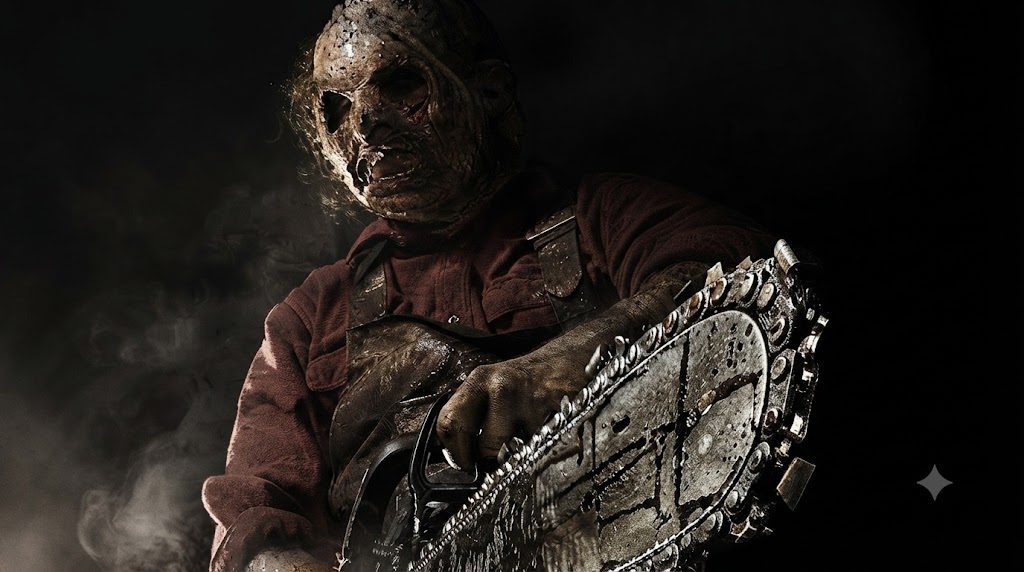
The Texas Chain Saw Massacre (1974) — Directed by Tobe Hooper
Few motion pictures have captured the sun-drenched, unrelenting panic of rural vulnerability quite like Tobe Hooper‘s 1974 independent landmark, The Texas Chain Saw Massacre. Shot on grainy 16mm film stock under the sweltering summer heat of central Texas, the movie discarded Hollywood glamour in favor of a raw, documentary-like immediacy that made audiences believe they were witnessing genuine found footage.
The narrative tracks five young travelers whose road trip across rural Texas devolves into an inescapable nightmare after they run out of fuel and stumble upon an isolated farmhouse inhabited by an inbred family of cannibals and slaughterhouse workers. The introduction of Leatherface, portrayed by Gunnar Hansen wearing a mask of desiccated human skin, remains one of the most abrupt, shocking character entrances in film history.
Hooper exercised astonishing directorial restraint regarding actual visual gore. Draping a protective fandom throw blanket over your lap prepares you for the ordeal, relying instead on claustrophobic set decoration, intense ambient sound design, and the high-pitched drone of a roaring chainsaw to generate psychological frenzy.
The dinner sequence, characterized by extreme close-ups of bloodshot eyes and hysterical screaming, simulates a waking sensory breakdown. Curling beneath an authentic horror movie throw blanket while experiencing this relentless sensory assault provides a vital feeling of protection against the film’s unyielding madness.
02 • Paranoia & Biological Dread
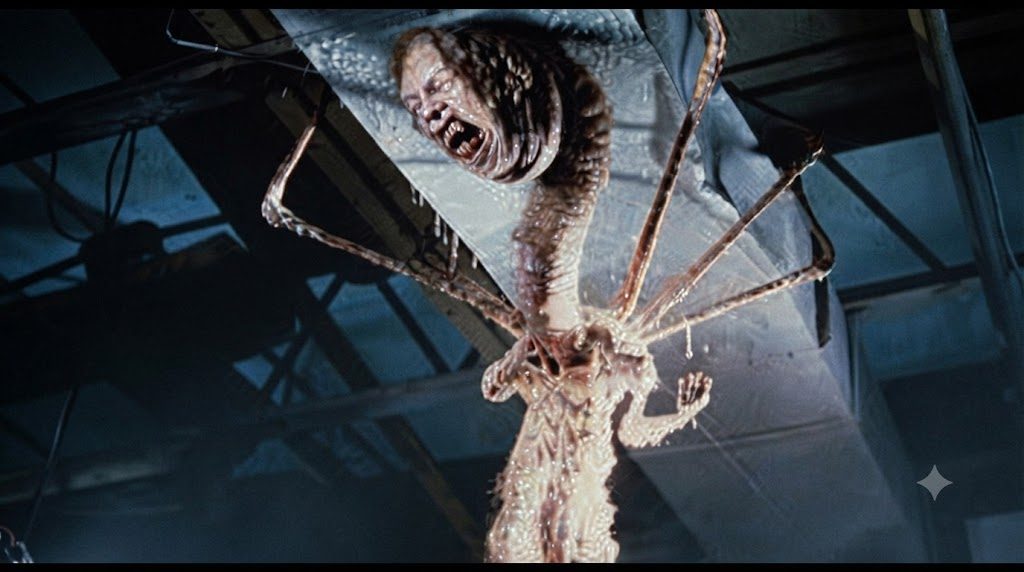
The Thing (1982) — Directed by John Carpenter
Set against the desolate, howling blizzards of an isolated Antarctic research outpost, John Carpenter’s 1982 masterpiece The Thing is arguably the greatest cinematic meditation on paranoia and biological terror ever produced. Abandoning traditional jump scares, Carpenter engineered a slow-burning psychological mystery where the real horror stems from the total breakdown of trust among comrades.
The story follows an American scientific crew led by helicopter pilot R.J. MacReady, portrayed with gritty pragmatism by Kurt Russell, who investigate the mysterious destruction of a neighboring Norwegian base. They soon discover that an ancient extraterrestrial organism has awakened from the ice—a shapeshifting parasite capable of perfectly assimilating and imitating any living being it consumes.
Rob Bottin’s groundbreaking practical creature effects remain legendary. Settling beneath an authentic movie throw blanket heightens the suspense, utilizing mechanical bladders, melted plastics, and puppetry to depict grotesque biological mutations that still surpass modern digital CGI. The unforgettable blood test sequence, in which MacReady tests each crew member’s blood with a heated copper wire, stands as a masterclass in cinematic suspense. Tucking yourself into a thick cozy throw blanket offers a welcome contrast to the freezing, suspicious claustrophobia of Carpenter’s polar nightmare.
03 • Cursed Technology
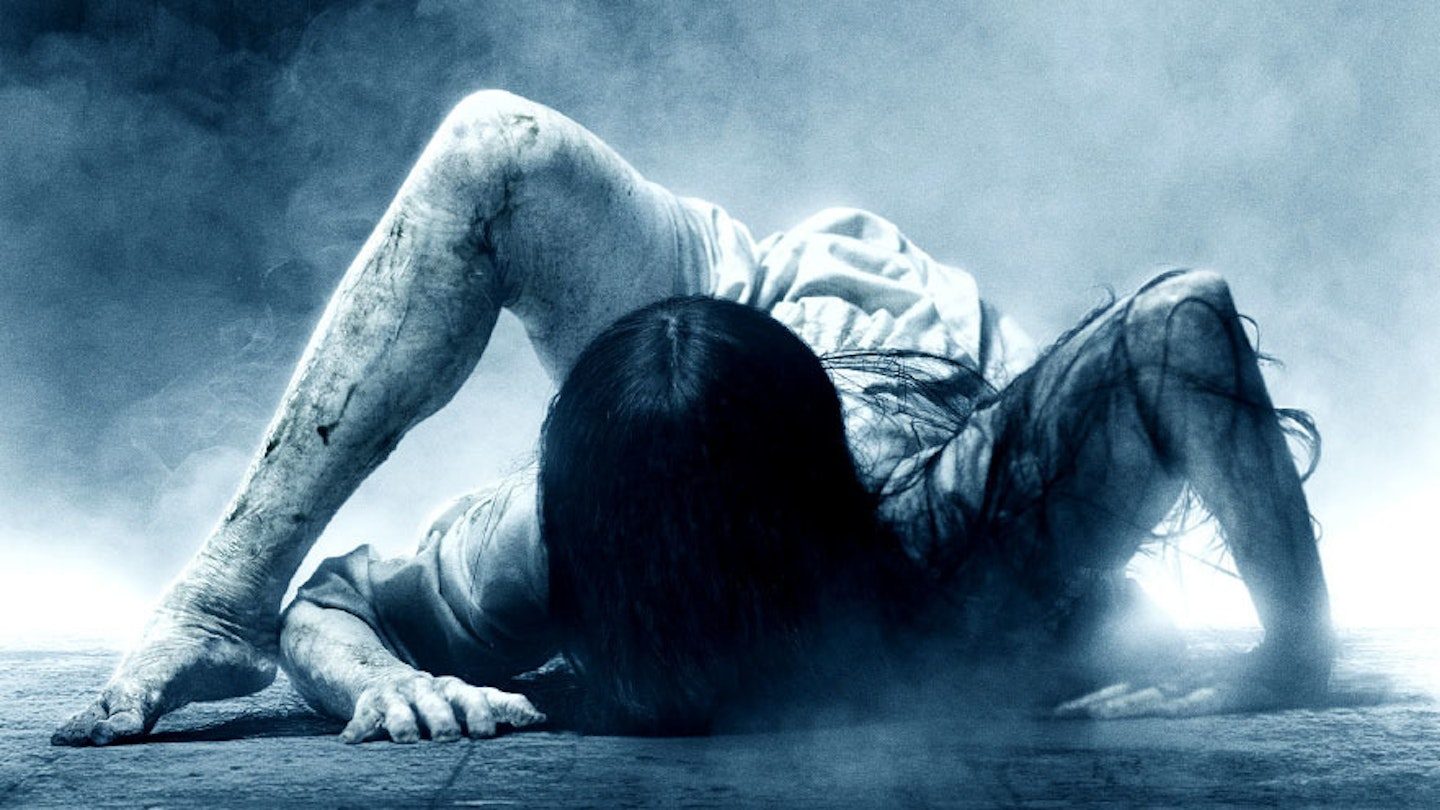
The Ring (2002) — Directed by Gore Verbinski
When director Gore Verbinski adapted Hideo Nakata’s Japanese horror classic Ringu for Western audiences in 2002, he crafted a visually stunning, deeply unsettling modern urban legend. The Ring demonstrated that dread could be manufactured through deliberate color grading, surreal imagery, and pervasive technological anxiety rather than cheap shock tactics.
The plot follows investigative journalist Rachel Keller, played by Naomi Watts, as she investigates a mysterious videotape that seemingly causes anyone who watches it to die precisely seven days later. As Rachel delves into the tragic history of Samara Morgan, a psychic child murdered and discarded in a rural well, the film immerses viewers in a cold, waterlogged Pacific Northwest landscape drenched in sickly greens and gloomy slates.
Verbinski’s brilliant aesthetic control turns mundane technology into conduits of dread. Wrapping yourself in an autumn throw blanket shields your senses as the mystery deepens. The scratchy, discordant imagery of the cursed tape feels genuinely dangerous, while the climactic sequence of Samara crawling out of the static-filled television screen shattered the traditional boundary between viewer and screen. Pulling a soft movie theater throw blanket over your lap keeps your nerves steady as the film’s iconic countdown reaches its final, chilling hour.
04 • Familial Trauma & Occult Despair
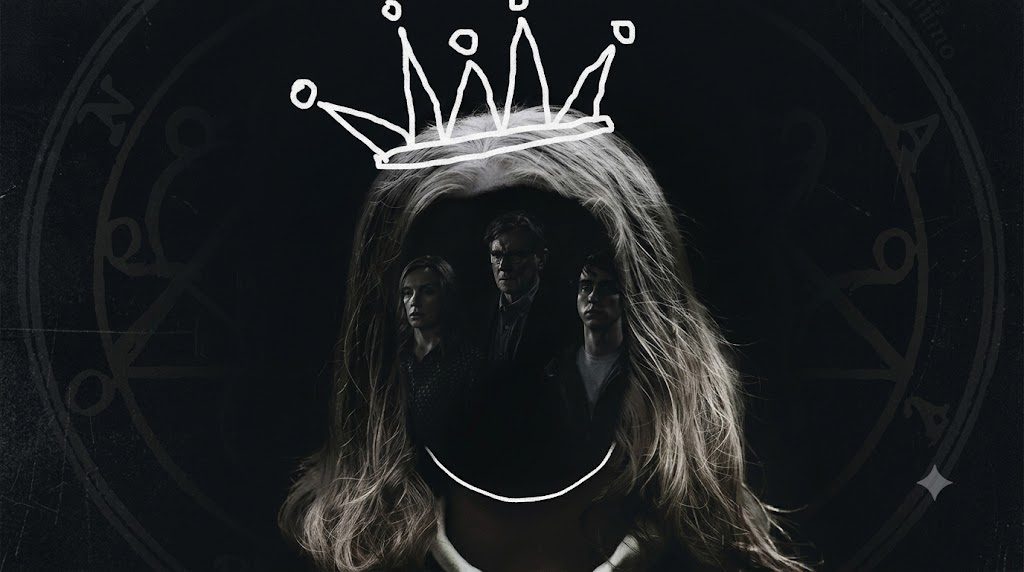
Hereditary (2018) — Directed by Ari Aster
With his 2018 feature directorial debut Hereditary, filmmaker Ari Aster demonstrated that the deepest, most devastating horror springs directly from unhealed familial trauma. Produced by independent studio A24, the film approaches horror not as a sequence of jump scares, but as an inescapable generational curse tightening around a grieving family.
The story centers on miniature artist Annie Graham, portrayed in a tour-de-force performance by Toni Collette, who struggles with the death of her secretive mother while caring for her emotionally distant husband and two children. When an unfathomable roadside tragedy strikes the family, Annie’s grief metastasizes into sleepwalking, nightmarish visions, and the sudden infiltration of an ancient demonic cult worshipping King Paimon.
Aster’s visual technique is deeply unsettling, frequently framing the Graham household like one of Annie’s meticulously crafted dollhouses, suggesting that the characters are helpless pawns manipulated by unseen hands. The shocking tonal shift in the second act, punctuated by Colin Stetson’s dissonant, droning saxophone score, leaves audiences physically paralyzed. Wrapping tightly inside an artistic fandom throw blanket offers a necessary layer of emotional comfort as the family’s domestic sanctuary collapses into occult madness.
05 • True Crime & Pagan Nightmare
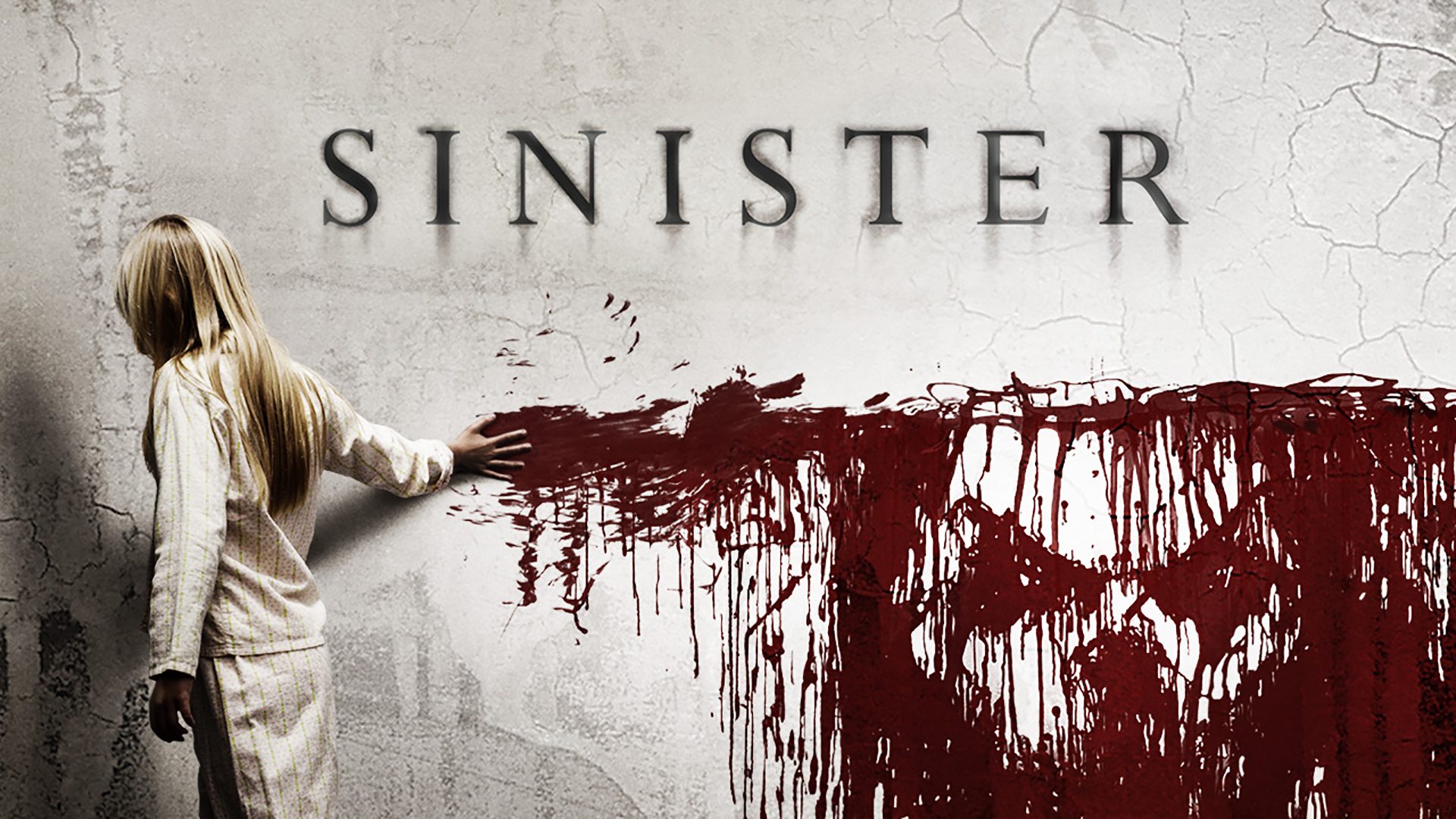
Sinister (2012) — Directed by Scott Derrickson
In 2020, the Science of Scare project monitored the heart rates of horror audiences across hundreds of titles, officially declaring Scott Derrickson’s 2012 film Sinister as one of the most physiologically terrifying movies ever made. The film owes its heart-pounding reputation to an ingenious fusion of true-crime investigation and supernatural folklore.
The plot follows true-crime author Ellison Oswalt, played with weary desperation by Ethan Hawke, who moves his unsuspecting family into a home where an entire family was brutally hanged from a backyard tree. In the attic, Ellison discovers a cardboard box containing a 16mm projector and several reels of home movies. As he watches the footage, he realizes each reel documents the grisly ritual murder of a different family, orchestrated by a shadowy Babylonian deity known as Bughuul.
The genius of Sinister lies in its disturbing Super 8 sequences. Tucking inside a warm movie theater throw blanket keeps you grounded during the most shocking reveals. Set to Christopher Young’s avant-garde acoustic score, these silent home movies possess an authentic, grainy creepiness that feels forbidden to watch. The sudden jumps and dark, shadowy hallways of the Oswalt house make viewers hyper-aware of every sound in their own home. Huddling under a protective autumn throw blanket provides an essential shield against the film’s relentless acoustic shocks.
06 • Astral Projection Haunting
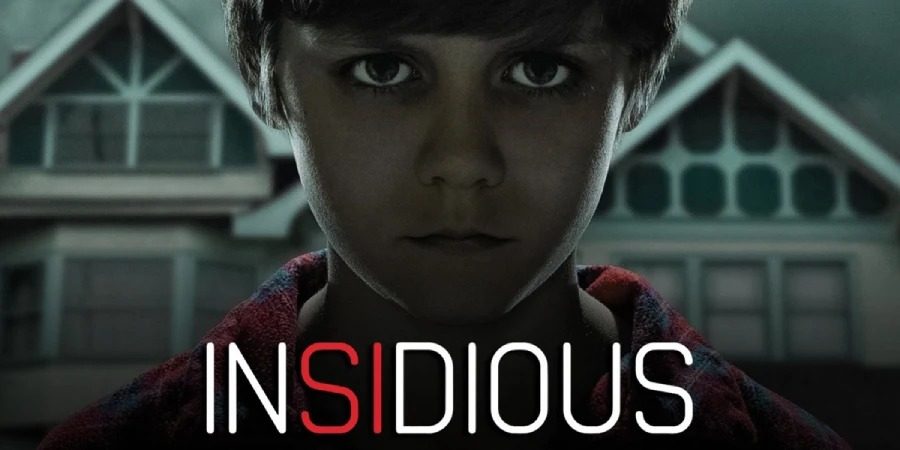
Insidious (2010) — Directed by James Wan
Following the global success of the Saw franchise, director James Wan shifted his creative focus to atmospheric paranormal suspense with 2010’s Insidious. Operating on a modest budget, Wan and screenwriter Leigh Whannell constructed a contemporary haunted-house classic that prioritized chilling imagery, practical theatrical lighting, and nerve-shredding musical dissonance.
The narrative revolves around Josh and Renai Lambert, played by Patrick Wilson and Rose Byrne, who move into a new home only for their young son Dalton to fall into an inexplicable, comatose state. When strange spectral figures begin invading the house, the family discovers that Dalton possesses the rare gift of astral projection, and his physical body has become a beacon for demonic entities trapped in a dark spiritual realm known as The Further.
Wan excels at delivering sudden, visceral frights through clever staging and lighting. Keeping a soft horror movie throw blanket close at hand softens the sudden auditory jolts. The iconic visual of the red-faced demon lurking behind Patrick Wilson’s shoulder during a daytime conversation remains one of the most effective jump scares of the modern era. Joseph Bishara’s screeching violin score creates instant physical tension, making a soft cozy throw blanket an indispensable companion for calming your racing pulse.
07 • Psychological Masterpiece
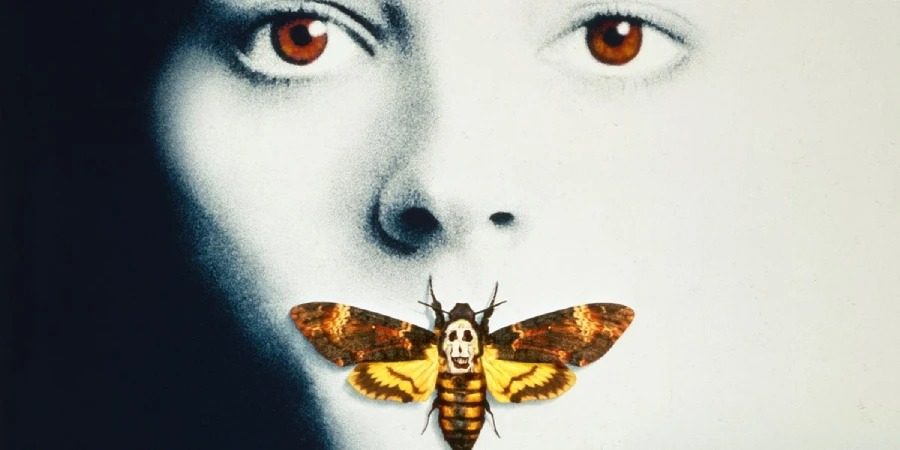
The Silence of the Lambs (1991) — Directed by Jonathan Demme
Directed by Jonathan Demme, The Silence of the Lambs is one of only three films in Academy Award history to sweep the ‘Big Five’ Oscars, transcending conventional genre boundaries to deliver an unparalleled psychological horror experience. Demme constructed an intricate cat-and-mouse procedural steeped in gothic menace and visceral dread.
The story follows FBI trainee Clarice Starling, played with vulnerable resolve by Jodie Foster, who is assigned to interview incarcerated cannibalistic psychiatrist Dr. Hannibal Lecter, portrayed in an indelible, Oscar-winning performance by Anthony Hopkins. Clarice seeks Lecter’s psychological insights to capture ‘Buffalo Bill,’ a meticulous serial killer who abducts young women to harvest their skin for a garment suit.
Demme’s masterstroke was his use of direct-to-camera close-ups. Nestling into a cozy throw blanket offers a reassuring physical anchor as Clarice enters the dark basement. Characters gaze directly into the lens during dialogue, forcing the viewer into uncomfortably intimate psychological confrontations with Lecter’s predatory intellect. The climax, set in Buffalo Bill’s subterranean basement labyrinth filmed through green night-vision goggles, creates unbearable sensory vulnerability. Reclining under a warm movie throw blanket provides grounded security while navigating the film’s darkest psychological corridors.
08 • Claustrophobic Subterranean Panic
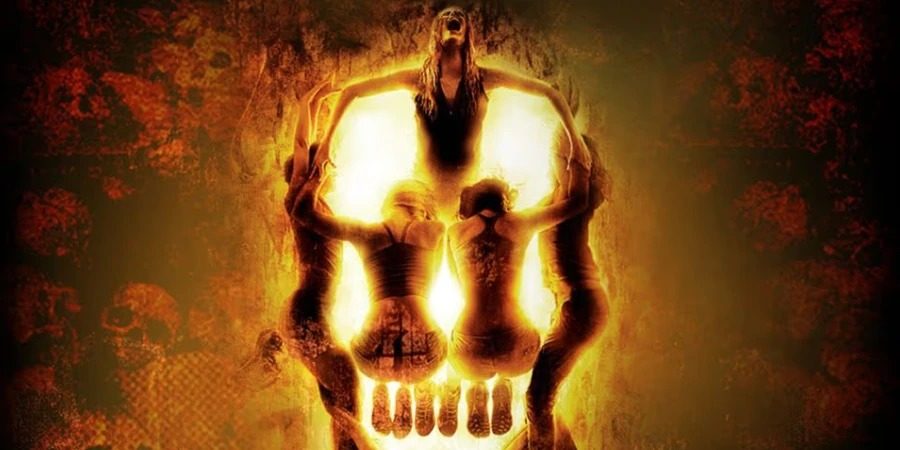
The Descent (2005) — Directed by Neil Marshall
Taking the primal fear of tight, subterranean spaces to harrowing extremes, Neil Marshall’s 2005 British horror thriller The Descent is an adrenaline-fueled masterclass in claustrophobia and visceral survival. The film understands that the human body’s instinctual dread of the dark can be just as paralyzing as any physical monster.
The narrative follows six adventurous women on an annual caving expedition in the remote Appalachian mountains of North Carolina. Led by their ambitious friend Juno, the group descends into an uncharted cave system, only for a catastrophic rock collapse to seal the entrance behind them. As they search for an alternative exit, they discover they have stumbled into the feeding grounds of ‘crawlers’—blind, cave-adapted humanoid predators with razor-sharp hearing and lethal hunting instincts.
Marshall spent the entire first hour building suffocating psychological tension through narrow crawl spaces, extinguishing flares, and oxygen deprivation before unleashing the monsters. The sound design of water dripping in pitch-black caverns combined with primal animal shrieks makes every shadow feel dangerous. Nestling beneath a thick horror movie throw blanket keeps you warm against the damp, subterranean terror unfolding on screen.
09 • Unrelenting Autumn Paranoia
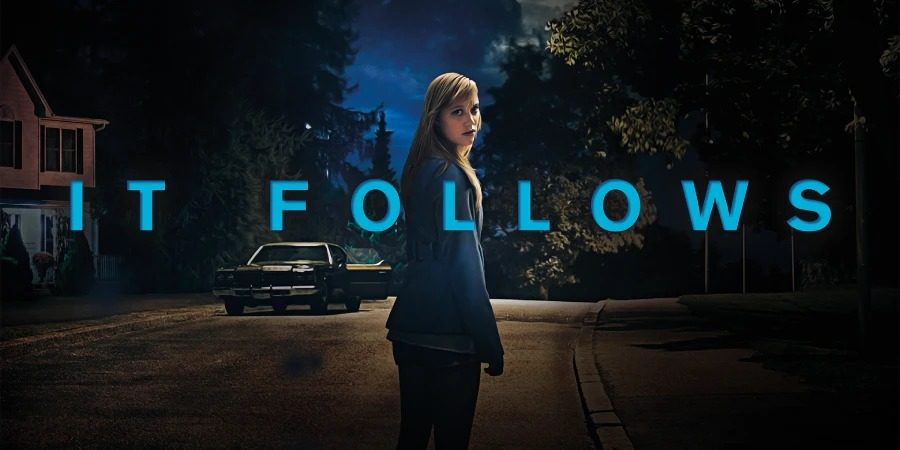
It Follows (2014) — Directed by David Robert Mitchell
In an era crowded with formulaic supernatural jump scares, David Robert Mitchell’s 2014 indie breakout It Follows revitalized the genre by exploring a dread that is slow, relentless, and impossible to outrun. The film crafts a dreamy, retro-futuristic aesthetic where the terror approaches with terrifying patience.
The story follows nineteen-year-old Jay Height, played by Maika Monroe, who contracts a lethal supernatural curse following a sexual encounter with her boyfriend. The entity is invisible to ordinary people, can take the shape of any human being—from a complete stranger to a loved one—and relentlessly walks toward its target in a straight line at a normal human pace. If it catches you, death is instantaneous and brutal.
Mitchell’s genius lies in wide, 360-degree panning shots that force the viewer to scan the deep background of every suburban frame, wondering if the distant figure walking down the sidewalk is an innocent pedestrian or the entity. Paired with Disasterpeace’s pulsing synth-wave musical score, the film captures an autumn melancholy that feels hypnotic. Relaxing beneath a cozy fandom throw blanket allows you to admire the film’s gorgeous cinematography without losing vigilance.
10 • Grief & Psychological Shadow
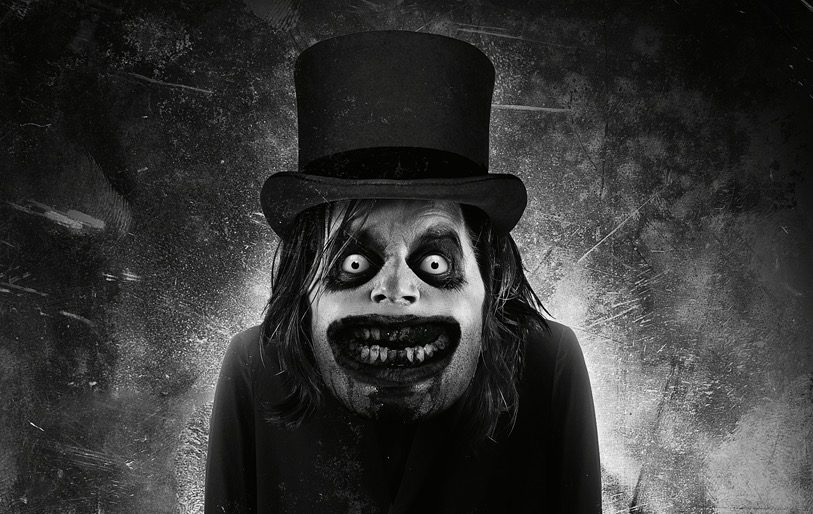
The Babadook (2014) — Directed by Jennifer Kent
Hailing from Australia, writer-director Jennifer Kent’s 2014 debut feature The Babadook is a deeply moving and terrifying exploration of grief, depression, and maternal exhaustion. Rather than relying on standard ghost tropes, Kent manifests psychological trauma into a tangible, ink-black nightmare that refuses to leave.
The story centers on Amelia Vanek, portrayed in an astonishing, emotionally raw performance by Essie Davis, a widowed mother struggling to raise her hyperactive six-year-old son Samuel following the violent death of her husband. When Samuel finds an unsettling pop-up storybook about a top-hatted monster called Mister Babadook, the creature begins tormenting the fragile household, feeding directly on Amelia’s repressed mourning.
The Babadook’s design relies on stop-motion animation, expressionist shadows, and haunting vocal clicking sounds that mimic childhood storybook illustrations. The terror is deeply domestic: bedroom closets creaking open, whispers from dark ceilings, and the horrifying fear that a parent might lose control. Curled beneath an authentic movie theater throw blanket, audiences experience a cathartic psychological masterpiece that honors both the terror of grief and the resilience of love.
Closing Reflection
When the Credits Roll: Catharsis and the Science of Fear
When the final credits roll and the room lights are switched back on, a profound wave of peaceful relief washes over the living room.
This emotional catharsis is the true genius of spending a late-night autumn screening with cinema’s scariest achievements. Navigating intense suspense, relentless psychological dread, and harrowing survival stories from the comfort of home provides an exhilarating mental reset, reminding us to cherish the safety and warmth of our everyday lives. Once the screen goes dark, the creaks in the hallway lose their power, and the world outside feels safe once more.
Whether you choose the sunny rural terror of The Texas Chain Saw Massacre, the paranoid isolation of The Thing, or the profound grief of The Babadook, these ten landmarks continue to define the pinnacle of scary filmmaking. Preparing your favorite seasonal drinks, turning down the ambient lamps, and wrapping yourself securely under a plush horror movie throw blanket turns a chilly October evening into a breathtaking cinematic ritual. Enjoying cinema from beneath a protective movie throw blanket proves that the best scary movies are the ones that make our homes feel like the ultimate sanctuary.
Curate Your Autumn Cinema Sanctuary
Bring the nostalgic art of classic cinema into your living space with Soulmase’s curated fandom and movie keepsakes.
MIA
Mia turns abstract pop culture passions into tangible, touchable home comforts. Specializing in anime, movie, book, and music fandoms, she helps fans transform their spaces into cozy cinematic sanctuaries—living out the Soulmase mission to “Wrap Your Soul in the Stories You Love".
Related Reads
 September 25, 2026 · 7 min read
Movie Blanket Guide: Cozy Picks for Movie Nights & Gifts
 September 7, 2026 · 11 min read
5 Best Christmas Movies for Cozy Xmas Throw Blankets (Part 2)
 September 7, 2026 · 12 min read